
Skin Cancer ABCDEs: A Simple Way to Remember What to Look For
posted: Jan. 09, 2026.
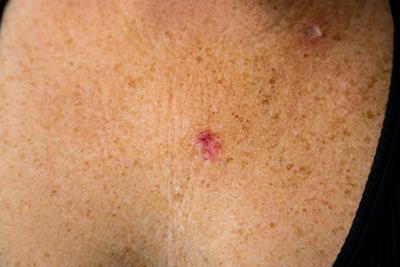
Skin cancer is one of the most common forms of cancer, but it is also one of the most treatable when caught early. Knowing what changes to look for on your skin can make a meaningful difference in early detection. At Newton Wellesley Dermatology Associates in Wellesley, MA, patients are encouraged to stay familiar with their skin and use the ABCDE guide as a simple, reliable way to spot concerning moles or lesions between routine skin exams.
What the ABCDEs Mean
The ABCDE method helps dermatologists identify warning signs of melanoma and other skin cancers. Each letter represents a specific change that may signal concern. A stands for asymmetry, meaning one half of a mole does not match the other, which is uncommon in benign moles. B refers to border irregularity, such as jagged, uneven, or poorly defined edges instead of smooth, clear borders. C stands for color; moles with multiple shades or color changes over time should be evaluated. D represents diameter. While melanomas are often larger than a pencil eraser, size alone does not determine risk. Any mole that continues to grow or stands out compared to others deserves attention. E stands for evolution, one of the most important warning signs. Changes in size, shape, color, texture, or symptoms like itching or bleeding should prompt a professional skin exam.
Why Self-Checks Matter
Monthly self-skin exams help you recognize what is normal for your body so you can notice changes early. Using the ABCDE guide during these checks provides a structured way to evaluate moles and spots. Areas that are easy to overlook, such as the scalp, back, soles of the feet, and between the toes, should also be examined regularly.
Self-checks are not a replacement for professional exams, but they play an important role in early detection. Bringing specific concerns to your dermatologist allows for more focused and effective evaluations.
When to See a Dermatologist
Any spot that meets one or more of the ABCDE criteria should be examined by a dermatologist. Even if a mole does not look alarming, changes that persist or worsen over time should never be ignored. Regular skin exams are especially important for individuals with a history of skin cancer, frequent sun exposure, fair skin, or a high number of moles.
Professional Skin Care in Wellesley, MA
At Newton Wellesley Dermatology Associates, comprehensive skin exams are designed to detect concerns early and provide peace of mind. Dermatologists combine careful visual evaluation with clinical expertise to determine when further testing or treatment is needed.
If you notice changes in your skin or are due for a routine exam, call Newton Wellesley Dermatology Associates in Wellesley, MA, at (781) 237-3500 to schedule an appointment. Early awareness and expert care are key steps in protecting your long-term skin health.